


SAB-profiel › News › When colour is more than a code

When colour is more than a code
DoorJoyce van Vliet
During the design and construction process, the question of the exact colour shade almost always arises sooner or later. Especially when different building elements, materials or trades need to come together to form a seamless overall appearance. The desire for a clearly defined colour code such as RAL, NCS, etc. is therefore entirely understandable. However, for our profiles and sandwich panels, this approach sometimes falls short. And this is not due to a lack of information, but to the nature of the coating itself.
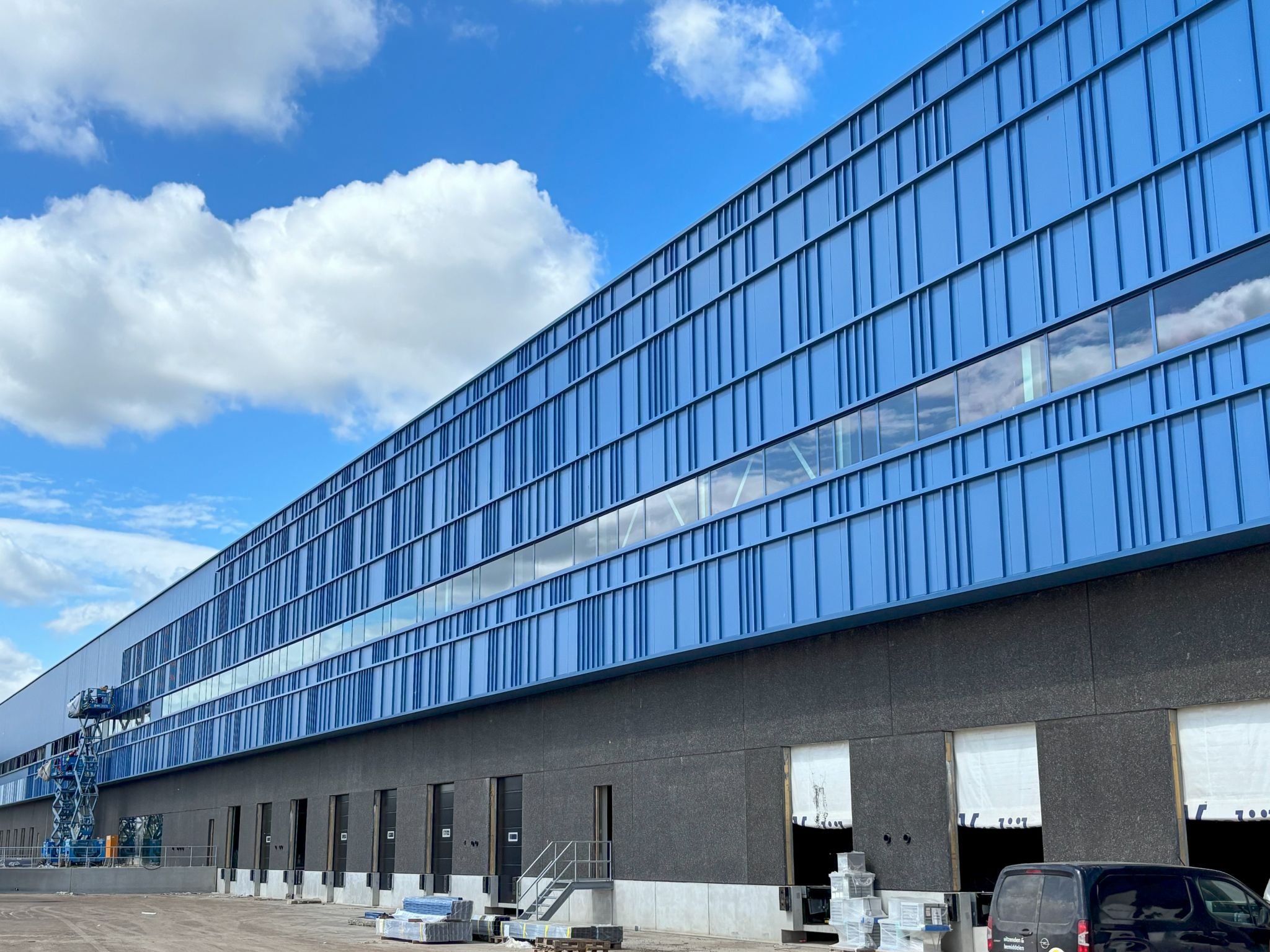
Not every colour has a code
Some of our colour shades do not have a RAL or NCS colour code. Equally important: such a code cannot be determined or “obtained” afterwards.
RAL and NCS codes are developed within clearly defined colour systems. Our colours, however, are developed independently and are not part of these standardised colour ranges. For some colours, there is therefore no official reference value, nor any possibility of assigning one in a binding way. A seemingly “similar” code would always be an approximation — never a reliable match.
Coil coating follows different rules
Our products are coil-coated. This coating technique differs fundamentally from powder coating. They are different processes with different paint structures, pigmentations and surface properties.
A direct colour comparison via codes is therefore not always technically feasible, even if the visual impression may appear similar at first glance.
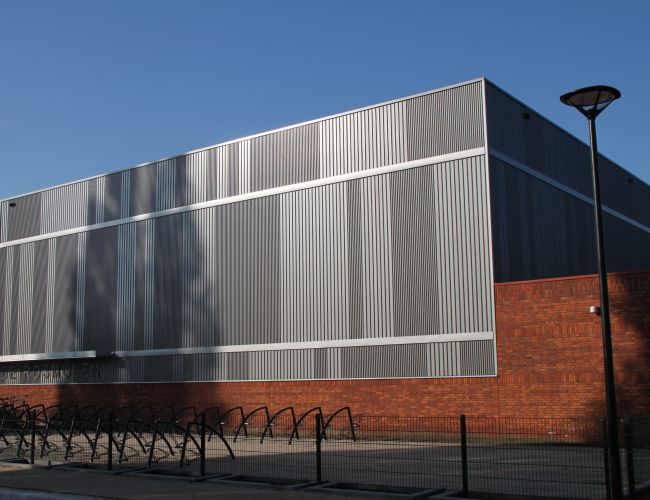
Metallic colours are dynamic
Many of our colour shades, for example Colorcoat SDP 50 Paris or Sydney, contain a metallic effect. This gives the surface depth and vibrancy. At the same time, it means that the colour is perceived differently depending on light conditions, viewing angle and surroundings. This is precisely what makes these surfaces so appealing — but it also makes exact classification within classic colour systems more difficult.
Systems such as RAL or NCS are largely based on solid colours without a metallic component. As soon as reflection, gloss level and pigment structure come into play, a fixed colour code loses its significance. RAL 9006 and RAL 9007 do exist, but they may differ from reality and should only be used as a guideline.
The only reliable reference is a sample
In practice, a different approach has proven effective. A real colour sample or sample panel shows the shade exactly as it will appear on the building. It takes material, coating and lighting conditions into account at the same time and is therefore always more reliable than a (screen) display, printed brochure or a BIM/3D or other visualisation.
If a colour is to be applied within a project, we recommend using this sample as the binding reference and matching the desired colour to it. Only in this way can visual consistency between different building elements be ensured.
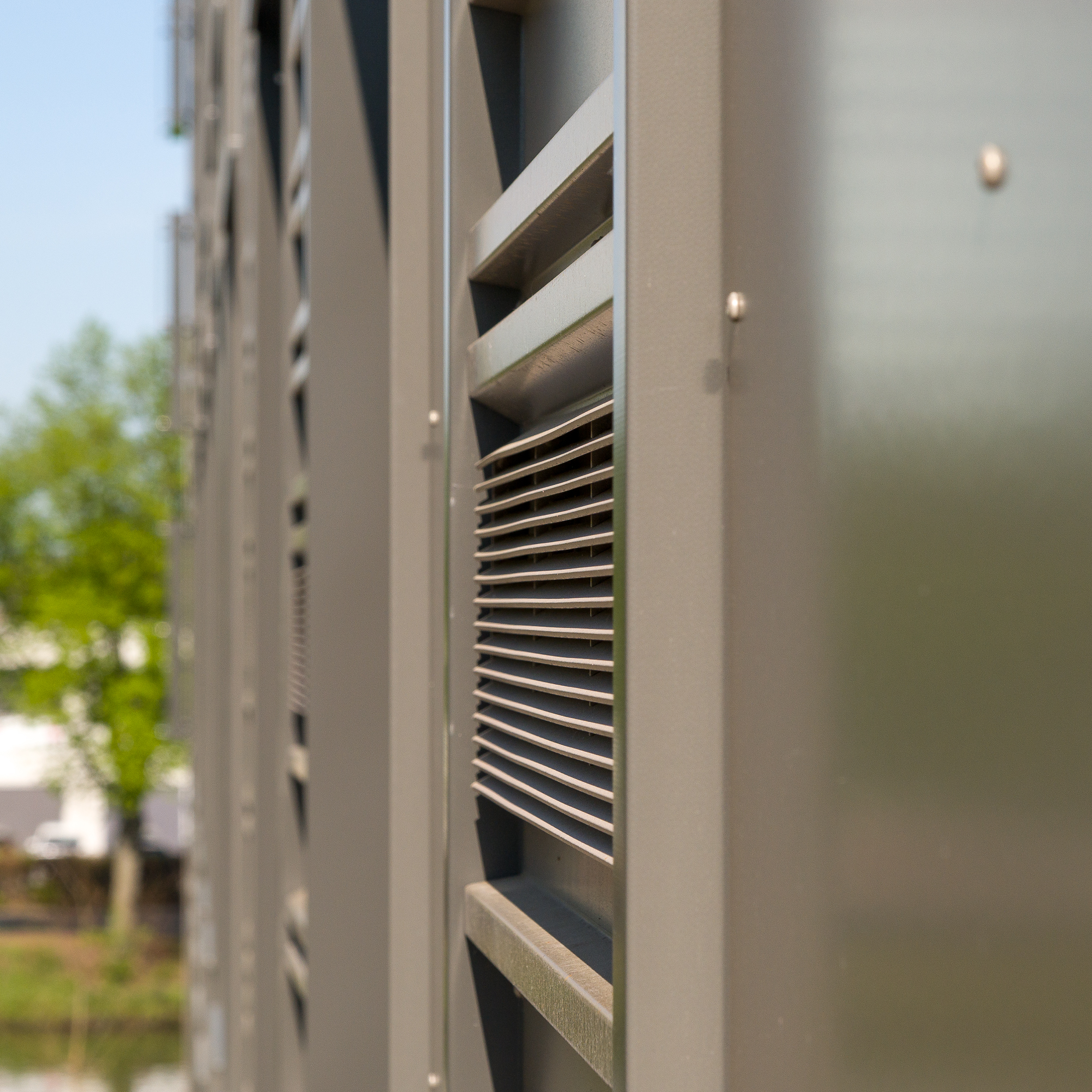
Clarity instead of false certainty
Our goal is to provide clarity. A colour code that merely represents an approximation offers little value in the planning process. Especially with metallic surfaces, nothing replaces an in-person comparison.
We are happy to provide colour samples and sample panels and to support the coordination process. Because ultimately, it is not the code on paper that matters, but the colour impression on the finished building.